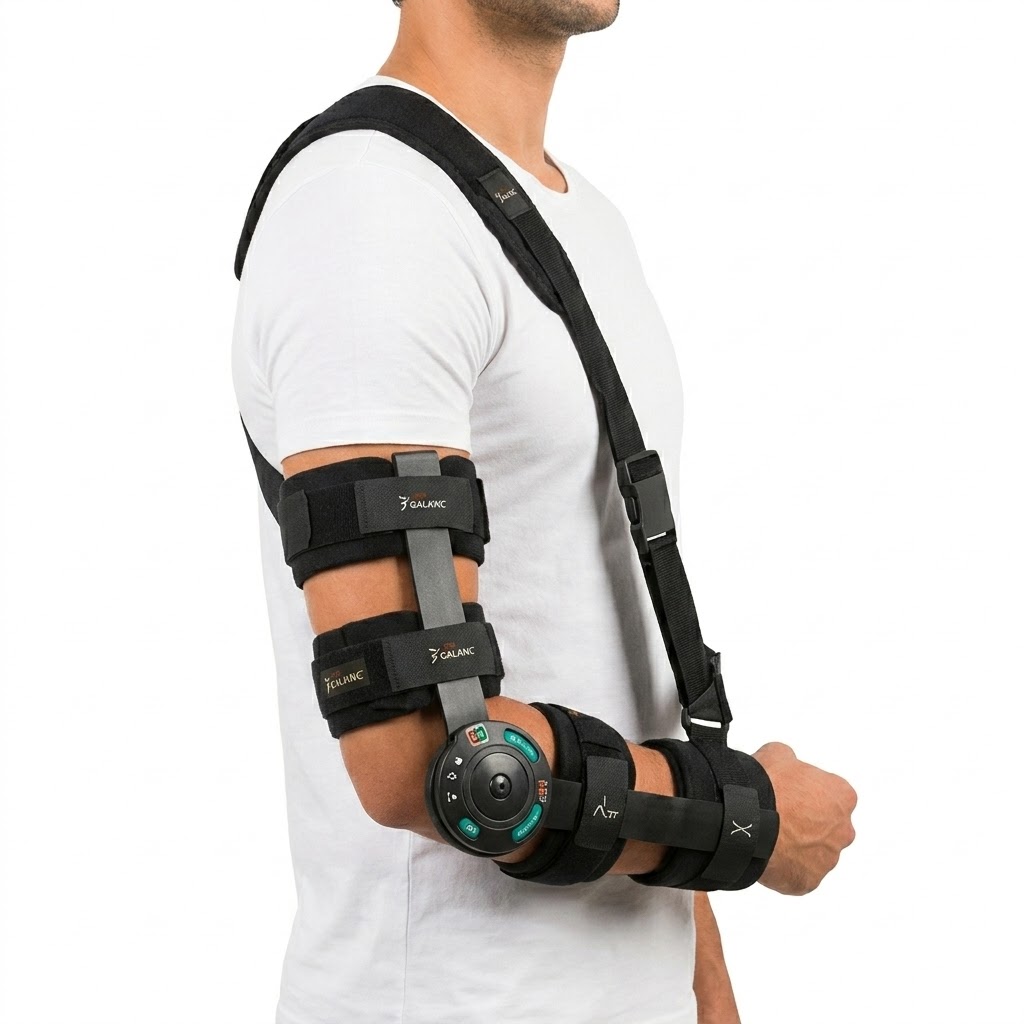
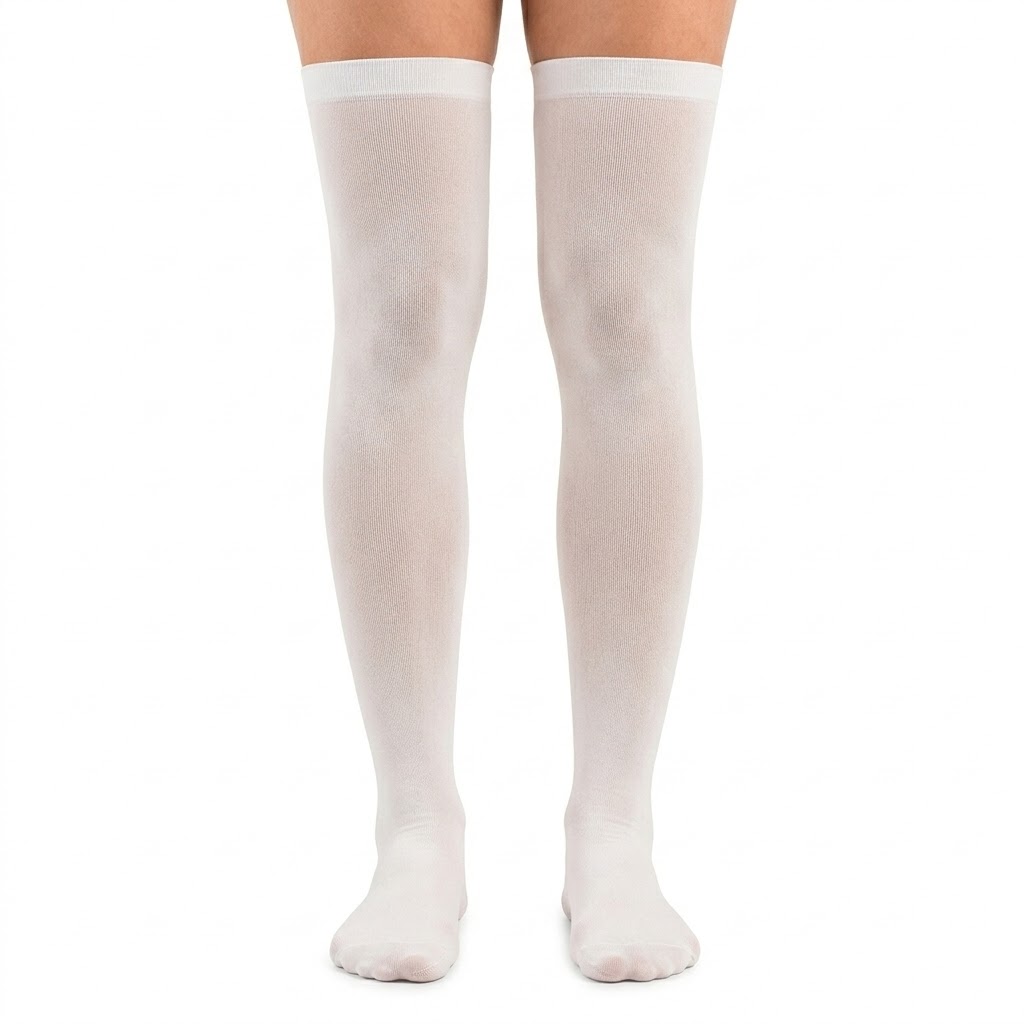
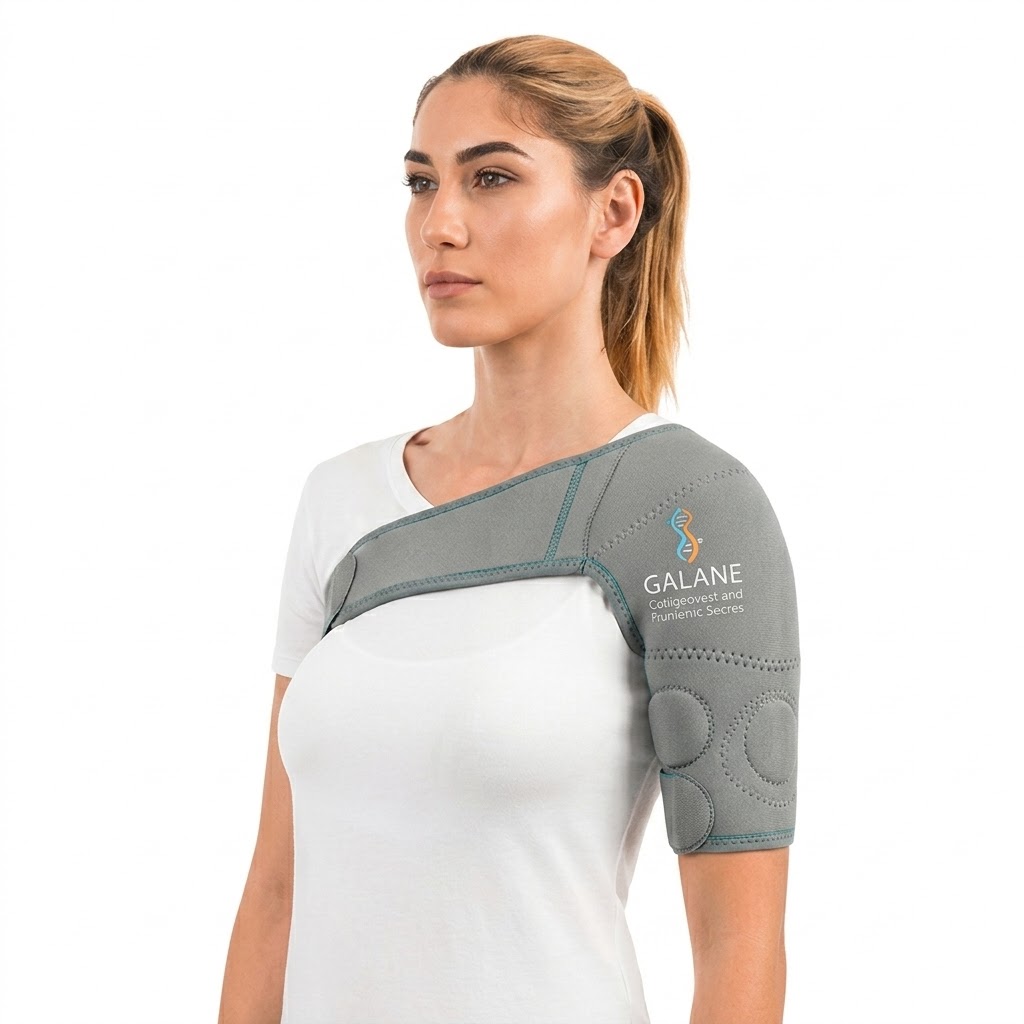
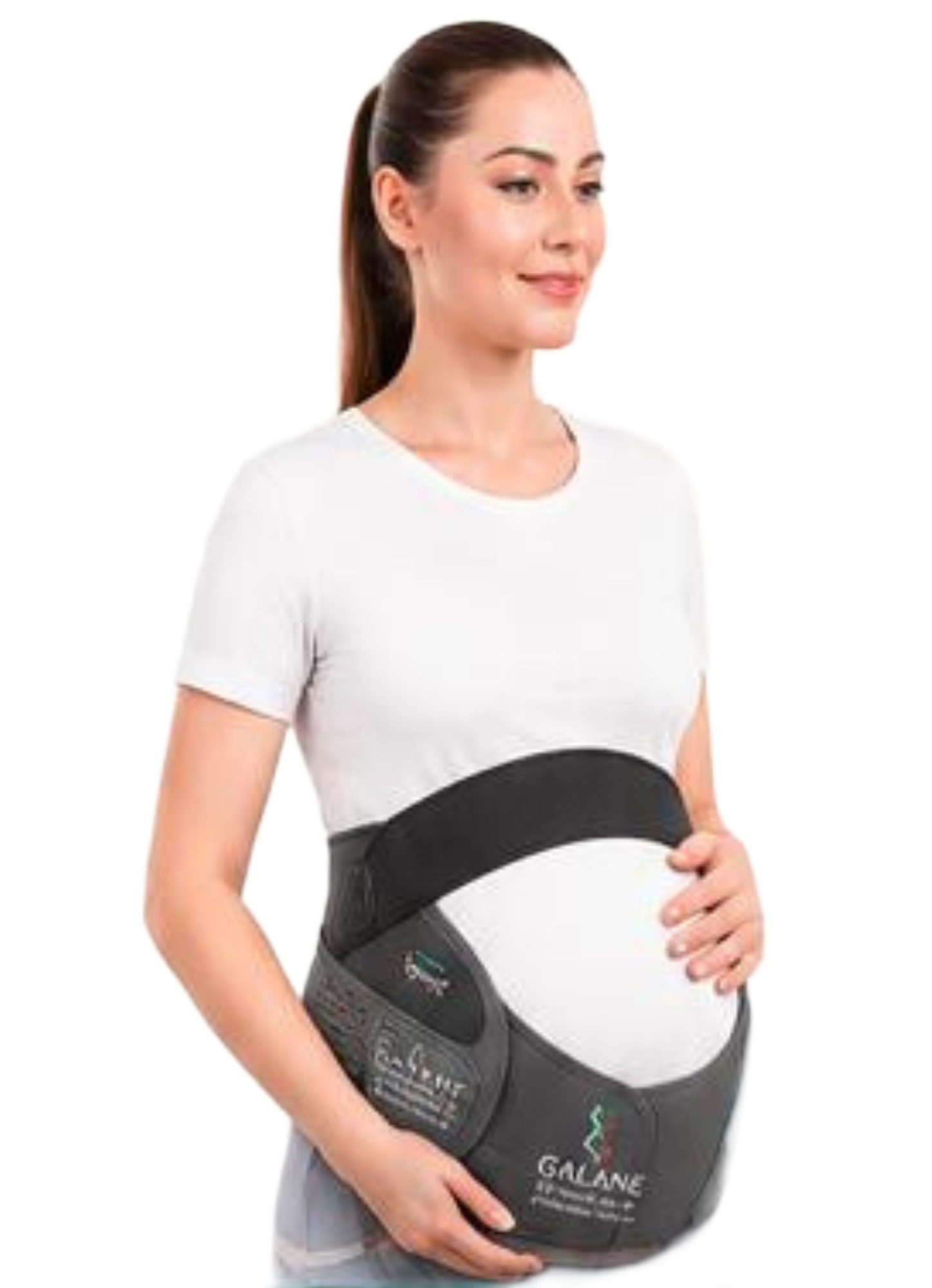

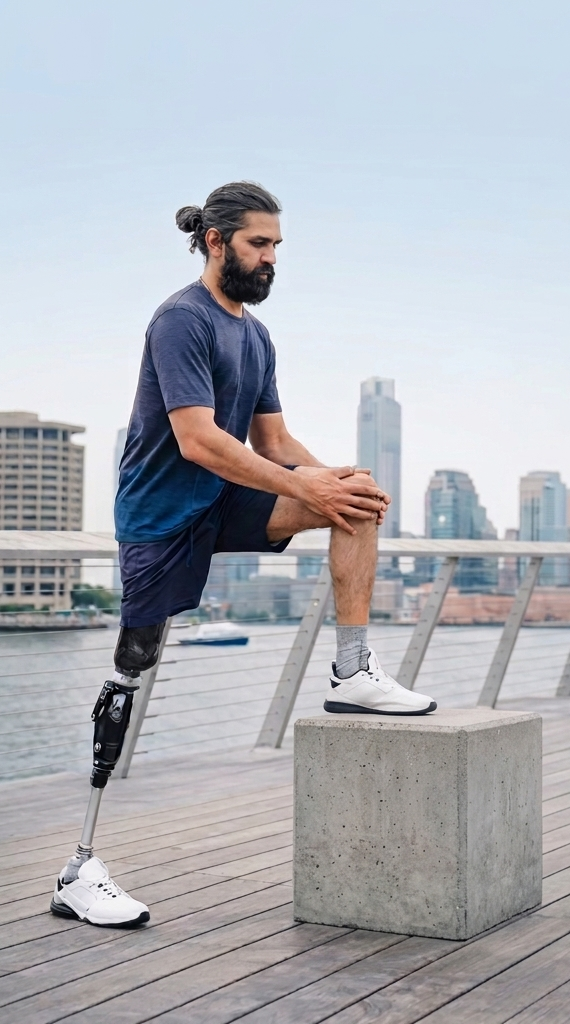
Orthotics and prosthetics play
significant roles in sports
and the recovery process for athletes
and individuals with
physical challenges. Here's how they are
involved:
Orthotics in Sports
and Recovery:
1. Injury Prevention:
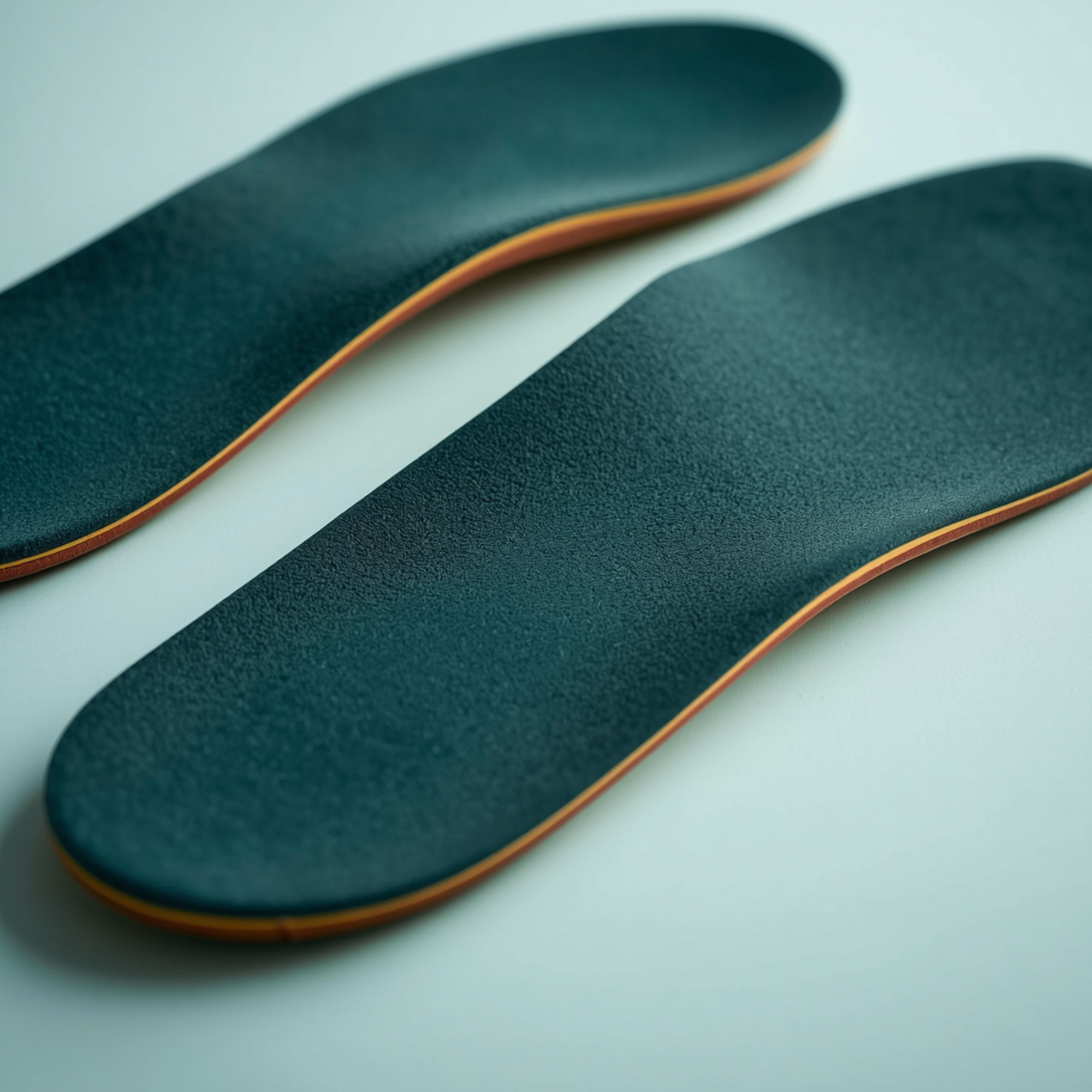
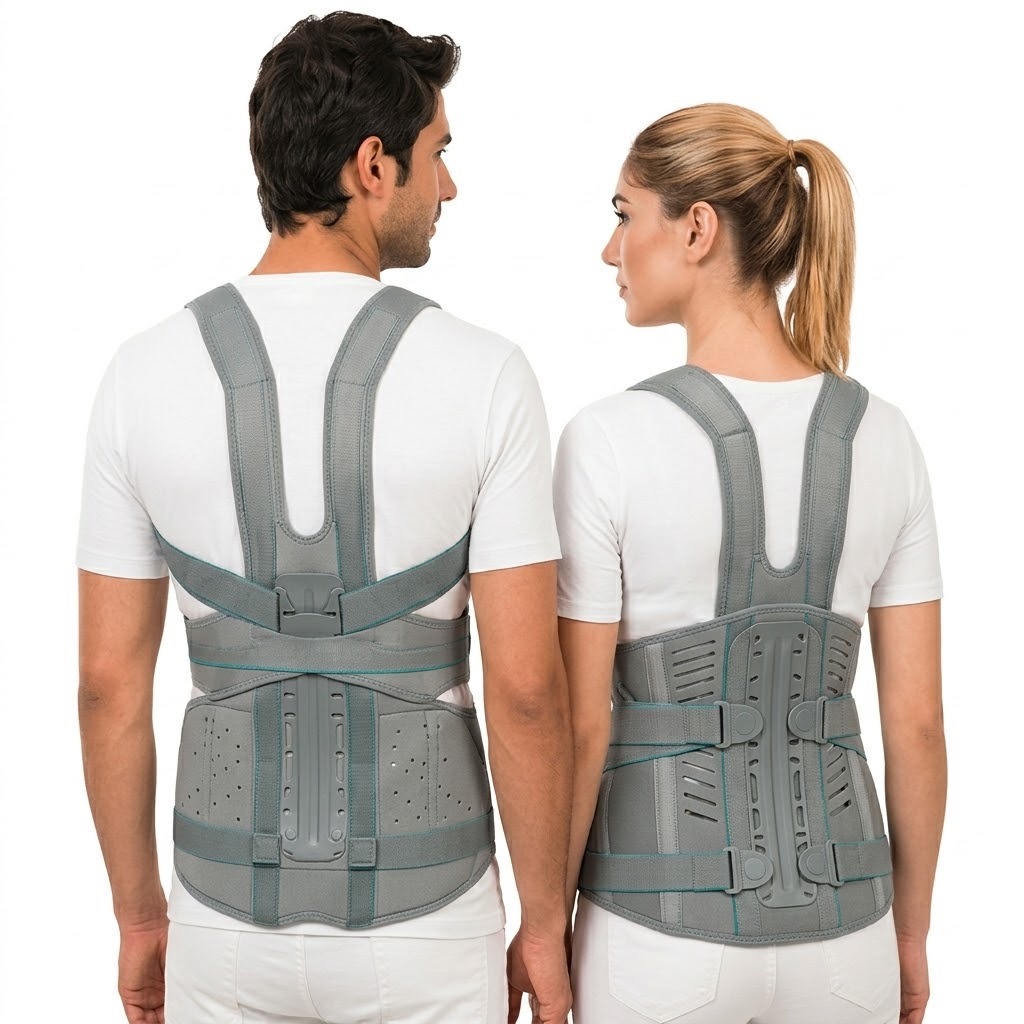
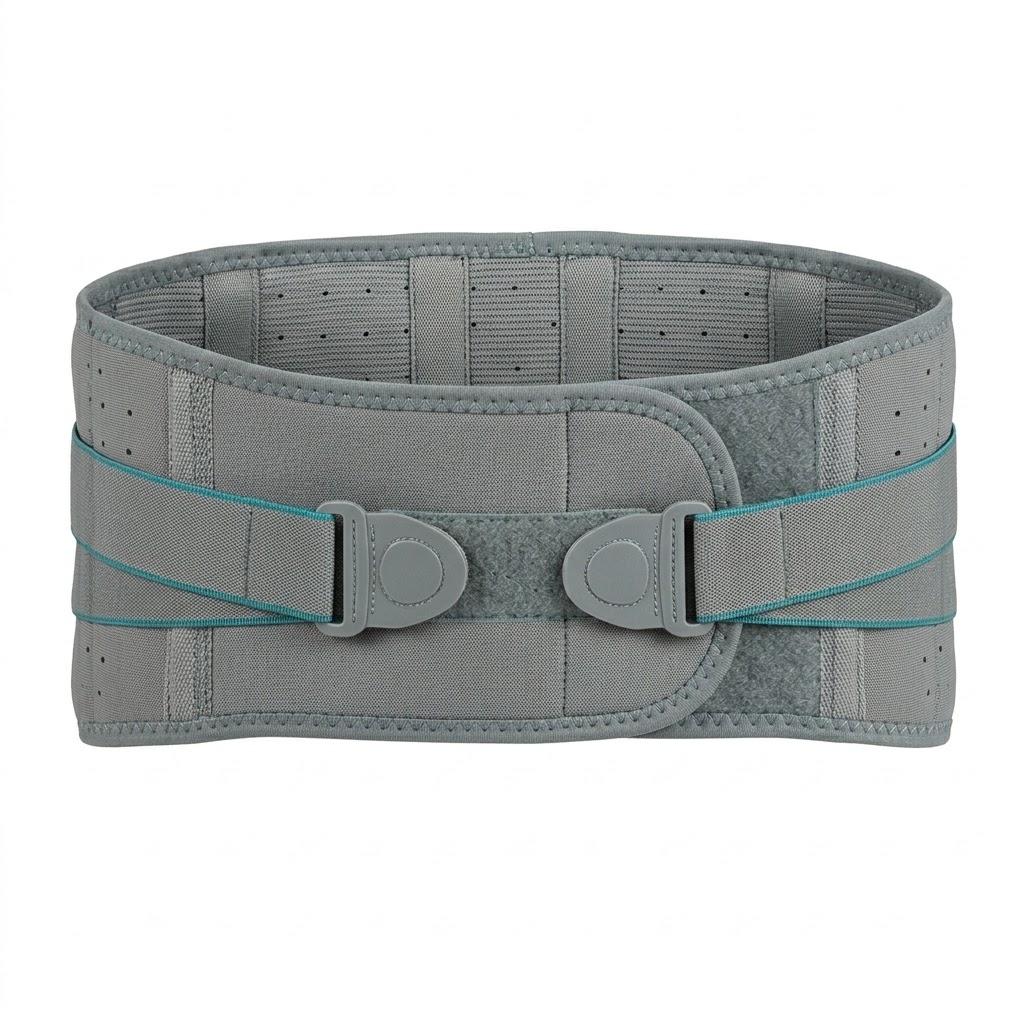
- Orthotic devices, such as custom-made
shoe inserts or
braces, can provide support, stability,
and cushioning to
help prevent common sports-related
injuries like shin
splints, stress fractures, and plantar
fasciitis.
2. Performance
Enhancement:
- Some athletes use orthotic insoles or
shoe modifications
to improve their biomechanics and
enhance performance. These
devices can optimize foot alignment and
reduce fatigue,
contributing to better athletic results.
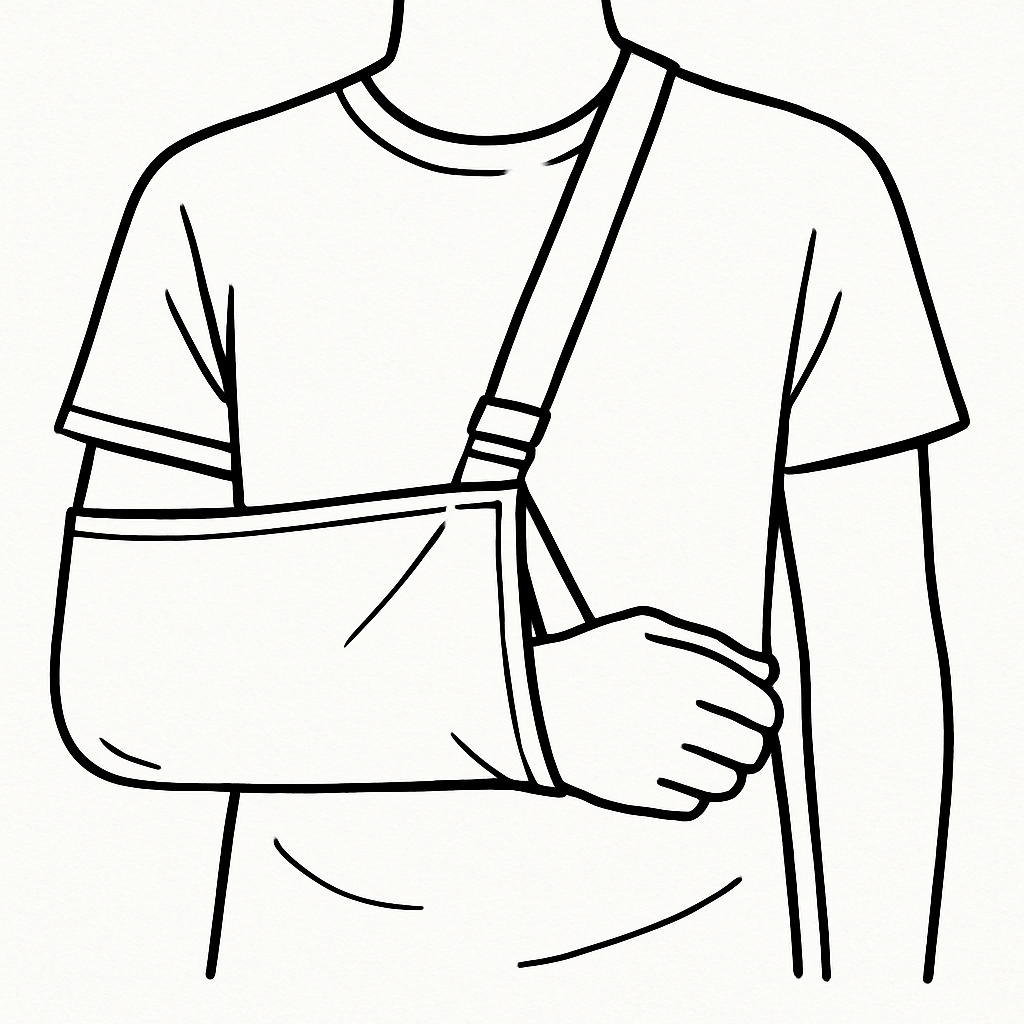
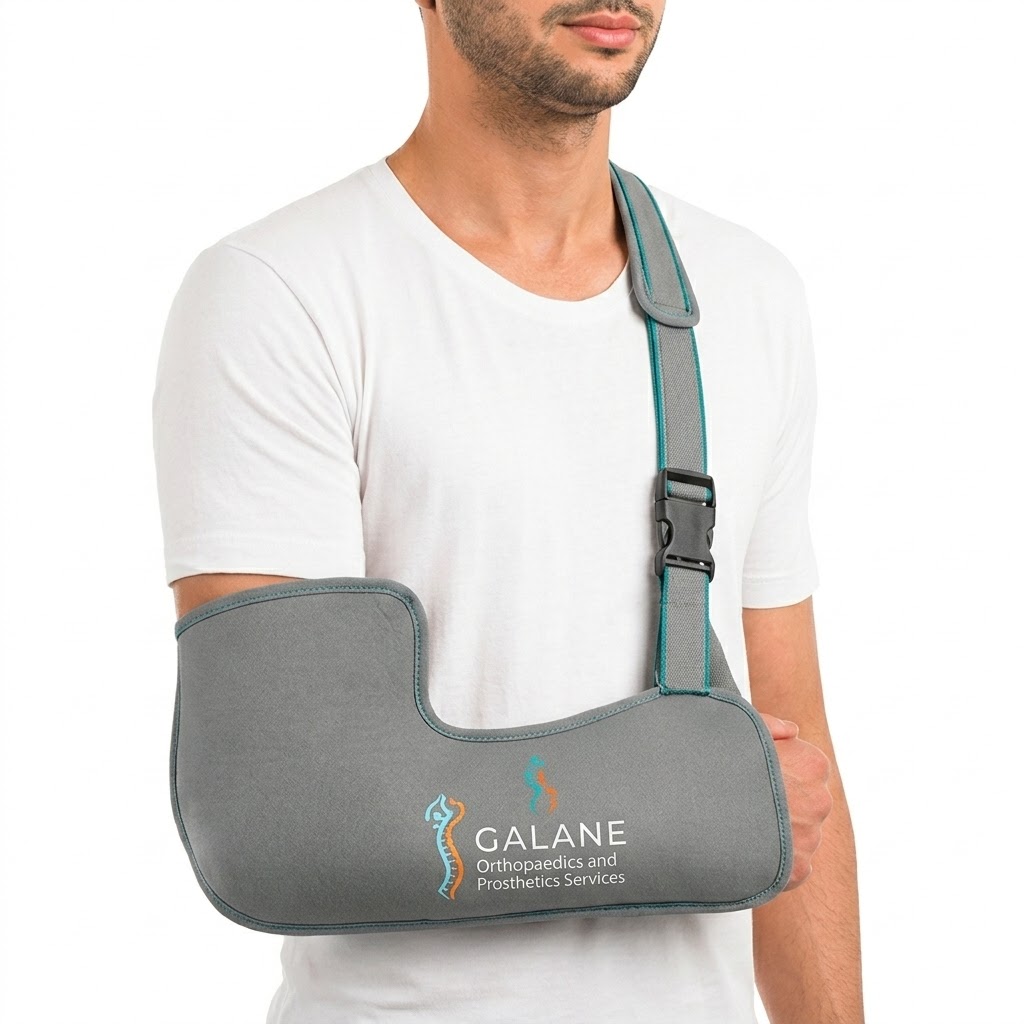
3. Rehabilitation :
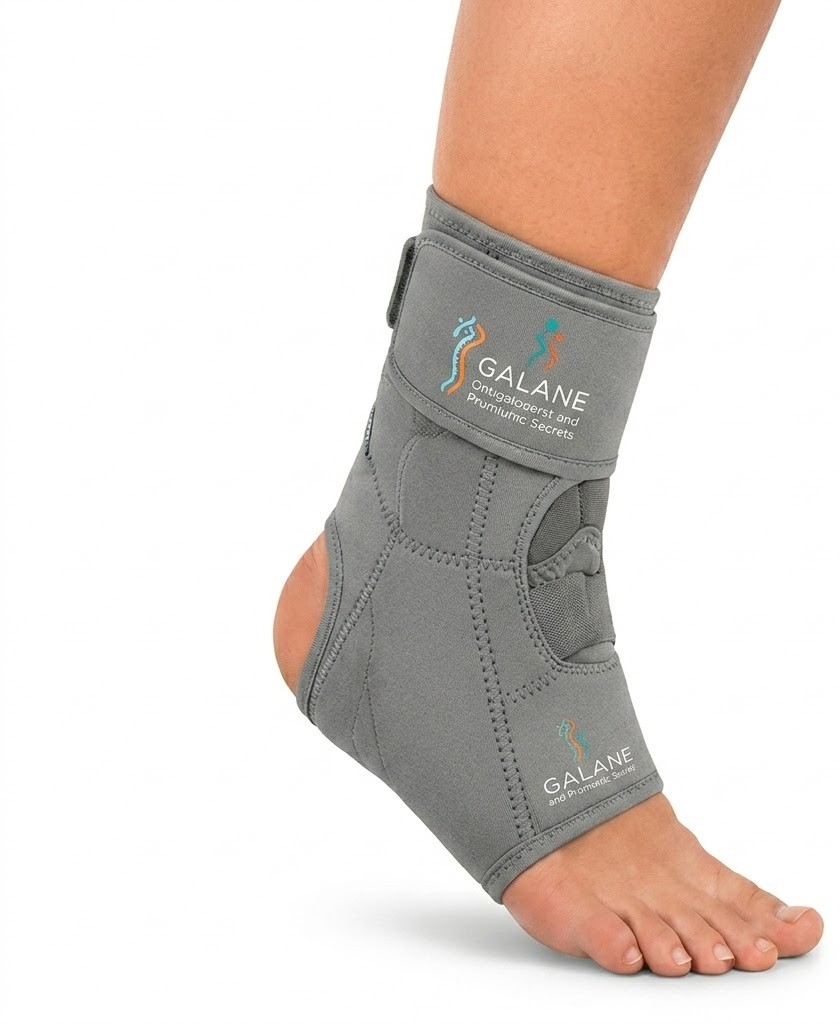
After sustaining injuries, athletes may
require orthotic
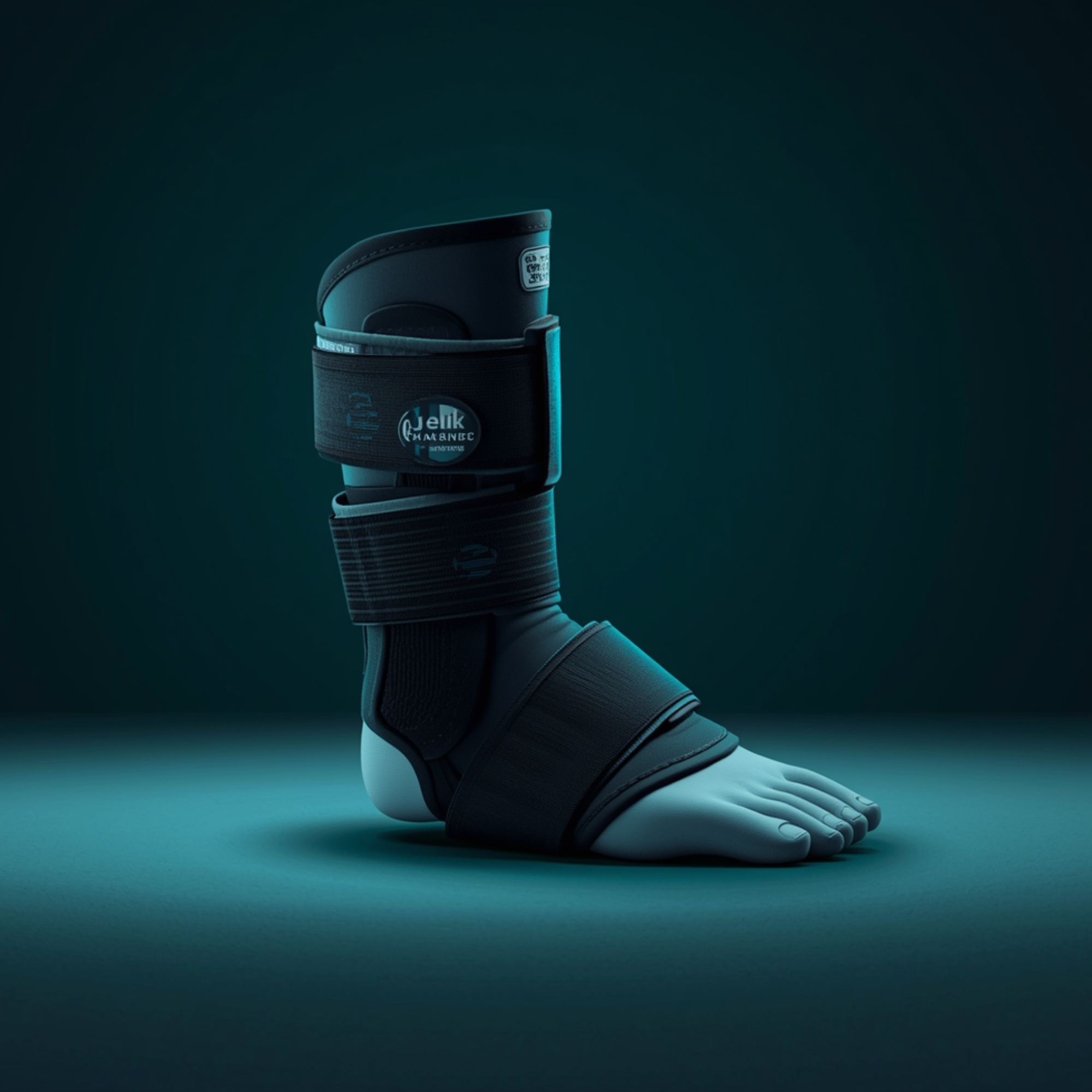
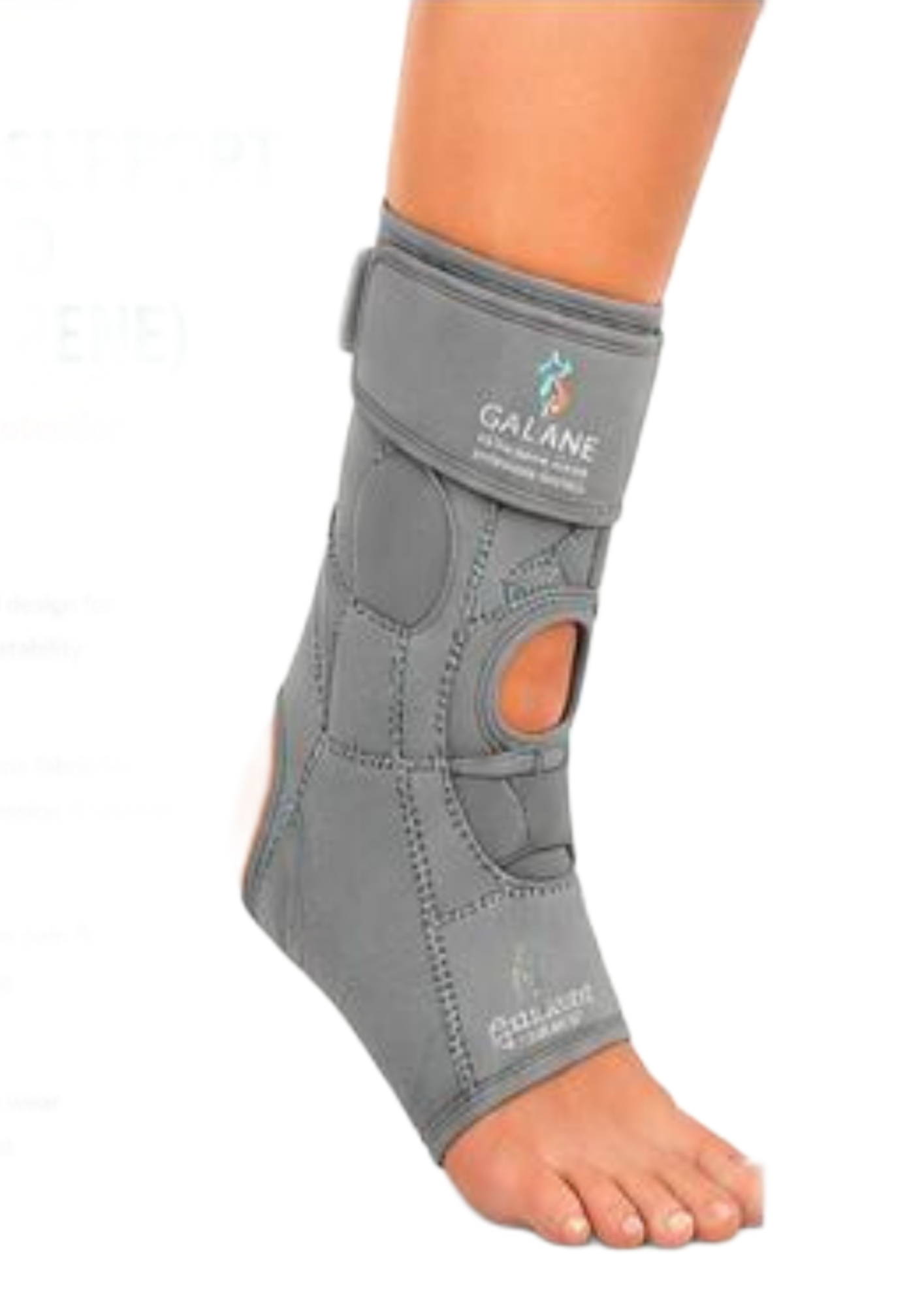
devices to aid in their recovery. For
example, ankle braces
or splints can support and protect
injured joints, allowing
athletes to continue training or
competing during the
rehabilitation process.
4. Customization :
Orthotists work closely with athletes to
design custom
orthotic devices tailored to their
specific needs and
sports. These devices can be optimized
for various
activities, such as running, cycling, or
basketball, to
provide the best possible support and
performance benefits.
Prosthetics in Sports
and Recovery:
1. Prosthetic Limbs
for Athletes:
- Some athletes with limb loss
participate in adaptive
sports, such as track and field,
cycling, or wheelchair
basketball. Prosthetists design and fit
specialized sports
prostheses that are lightweight,
durable, and optimized for
these athletic activities.
2. Rehabilitation and
Return to Sports:
- Prosthetists work with athletes who
have undergone
amputations to provide them with
prosthetic limbs tailored
to their sports and fitness goals. These
professionals
assist in the rehabilitation process,
helping athletes
regain strength, mobility, and
confidence.
3. Paralympic
Athletes: :
Prosthetic limbs have enabled many
individuals with limb
loss to compete at the highest levels of
sports, including
the Paralympic Games. These athletes
rely on advanced
prosthetic technology to excel in their
chosen disciplines.
4. Injury Recovery :
In cases where athletes have amputations
due to injuries
sustained during sports, prosthetists
play a crucial role in
helping them adapt to life and sports
with a prosthetic
limb. This often involves intensive
rehabilitation and
training.
5. Research and
Innovation :
The field of prosthetics is continually
evolving, with
ongoing research and development aimed
at improving the
performance and comfort of prosthetic
limbs for athletes.
Prosthetists are often at the forefront
of testing and
implementing these innovations.
In both orthotics and prosthetics,
the goal is to support
athletes and individuals in their
pursuit of sports and
recovery, whether it's through
injury prevention,
performance enhancement,
rehabilitation, or participation
in adaptive sports. Orthotists and
prosthetists work
closely with athletes to ensure that
they have the right
devices and support to achieve their
goals and maintain an
active lifestyle.